Winter Residential Drain Cleaning Tips to Avoid Cold-Season Backups

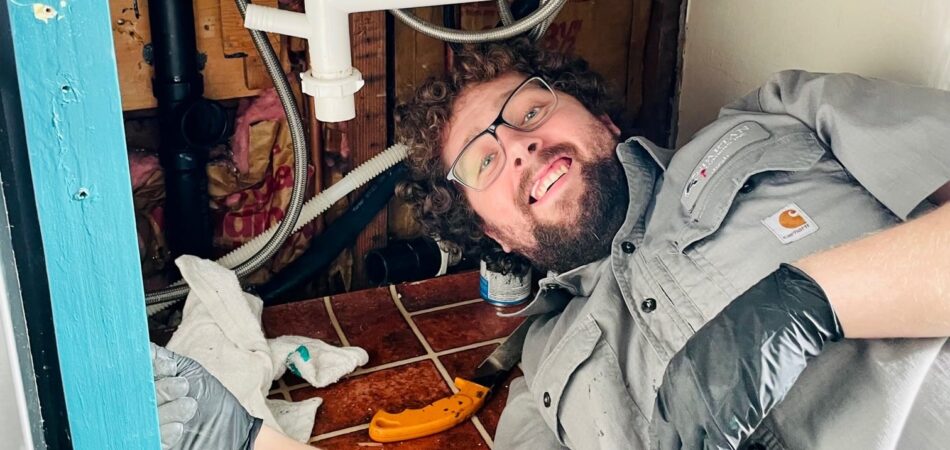
Winter has a way of exposing every weak point in a plumbing system. A drain that handled daily use without complaint in October can start gurgling in January. A kitchen sink that seemed merely slow around the holidays can back up after one greasy meal during a cold snap. In many homes, the problem is not just heavier seasonal use. It is the combination of grease, soap residue, hair, food particles, and low temperatures working together to reduce flow at the worst possible time.
That is why winter maintenance matters so much in residential drain cleaning. Cold weather does not create every clog, but it often turns a manageable buildup into a disruptive backup. The result can range from an annoying sink full of water to a more serious situation involving overflow, odors, or a frozen section of pipe. Once temperatures drop and schedules tighten, even a small drainage issue becomes harder to ignore and more expensive to fix.
Homeowners often focus on furnaces, insulation, and frozen supply lines during winter prep. Drains deserve a place on that list. They move wastewater out of the home every day, and they depend on consistent flow, proper venting, and clear pipe walls to do it. When conditions are right for buildup, slow drainage starts quietly and then accelerates.
Why winter drainage problems are different
Most clogs form over time. They build layer by layer on the inside of pipes, especially in kitchens and bathrooms. Winter changes how those partial blockages behave. Grease cools faster. Soap scum hardens. Food scraps cling to pipe walls instead of washing through. Hot water use often increases, but so does the contrast between warm wastewater and very cold pipe surfaces in crawl spaces, basements, garages, and exterior walls.
Holiday routines do not help. More cooking means more fats, oils, and starches going down the kitchen drain, even in homes where people try to be careful. More guests can mean showers running back to back, flushing that increases load on the sewer line, and bathroom drains catching more hair and residue than usual. If the home already has aging cast iron, a belly in the line, invasive roots outdoors, or years of pipe scale, winter can bring those issues to the surface fast.
I have seen this play out in ordinary ways. A family notices the dishwasher backing up into the sink only after a long weekend of cooking. Another homeowner thinks the tub is draining slowly because kids are taking longer showers during school break. Then a colder-than-normal week hits, and the drain that was “a little sluggish” stops moving at all. The weather did not invent the blockage. It simply removed the margin the system had left.
The drains that usually struggle first
Kitchen drains are the most common winter trouble spot. Grease is the obvious culprit, but it is rarely grease alone. The real blockage is often a sticky mixture of oil, dish soap, soft food scraps, coffee grounds, and starches from pasta or rice. Once that coating forms, it catches everything else. In cold weather, that mass firms up and narrows the pipe enough to slow water noticeably.
Bathroom sink and tub drains come next. These lines deal with hair, toothpaste, shaving residue, soap, and mineral deposits. Slow-moving drains in winter are especially common in homes with hard water, since soap scum and scale can reduce interior pipe diameter over the years. Add a fresh mat of hair, and drainage performance falls off quickly.
Main sewer lines can also become more problematic in winter, though the causes differ. Tree roots do not stop being a factor just because leaves are gone. Older lines may already have cracks or offsets that catch debris. Heavy rains, freeze-thaw ground movement, and higher seasonal water use can all contribute to backups that seem sudden but are usually the result of a long-developing issue.
Laundry drains deserve mention too. Modern detergents and fabric residues can leave a film, especially in systems that already have partial buildup. In colder regions, laundry lines routed near poorly insulated walls or through unheated spaces can become sluggish during severe cold, particularly if the pipe pitch is marginal.
Early warning signs you should not ignore
Most severe backups send smaller signals first. Catching them early is where homeowners gain the most. Residential drain cleaning is far easier when a line is partially restricted than when it is completely blocked.
- Water drains more slowly than usual, especially in the kitchen sink or tub, even after ordinary use.
- You hear gurgling after running water, flushing a toilet, or finishing a dishwasher cycle.
- Odors rise from a drain that used to smell neutral, often a sign of trapped debris or standing water in a blocked section.
- Water appears in one fixture when another is used, such as a tub filling slightly when the washing machine drains.
- Problems get worse during very cold days, after heavy cooking, or when several people use the plumbing in a short time.
Those signs do not always point to the same kind of blockage. A single slow bathroom sink may be a local clog near the stopper. Gurgling across multiple fixtures could indicate a venting issue or a developing problem in the main line. The pattern matters. When several drains act up together, it is time to take the situation more seriously.
What homeowners can do before a backup happens
The best winter drain care is preventive and practical. It does not require harsh chemicals or complicated tools. It does require attention to habits and a willingness to respond before the drain quits entirely.
Start in the kitchen, where most avoidable cold-season clogs begin. Grease should never go down the sink, even with plenty of hot water. Hot water may liquefy it briefly, but once it moves into cooler pipe sections, it resolidifies and grabs whatever follows. I often tell homeowners to think of grease as pipe glue. It may leave the pan looking harmless, but it behaves differently once it hits the plumbing.
Food disposal habits matter too. Garbage disposals reduce food particle size, but they do not make food disappear. Fibrous scraps, starchy leftovers, eggshell fragments, and coffee grounds still add load to the drain. During winter, when conditions are less forgiving, even “small amounts” can become the last material that turns buildup into a blockage.
In bathrooms, routine cleaning around stoppers and strainers goes a long way. Hair near the surface is easy to remove. Hair that works several feet into the branch line combines with soap and forms a rope-like obstruction that simple plunging may not dislodge. If a shower or tub has been slowing for months, winter is not the time to keep putting it off.
Hot water flushing can help, within reason. Once or twice a week, running very hot water through frequently used drains may soften light soap or grease films, especially in relatively new piping. It is not a cure for a real clog, and it should not be treated as one. On older systems, especially where there may already be scale, repeated “home remedies” can give a false sense of progress while the restriction keeps building.
Here is a short winter routine that works well for many households:
- Clear hair and debris from bathroom drain covers and stoppers every week or two.
- Wipe greasy pans with a paper towel before washing, and discard fats in the trash after they cool.
- Run hot water after normal sink use, especially after washing dishes, but do not rely on it to carry grease away.
- Watch for changes in drainage speed after big cooking days, overnight guests, or laundry-heavy weekends.
- Schedule professional cleaning if a drain has been slow for more than a few weeks or if multiple fixtures show symptoms.
That routine is simple by design. The goal is not to turn homeowners into plumbers. The goal is to stop ordinary buildup from reaching the point where a winter service call becomes unavoidable.
The temptation to use chemical drain cleaners
Cold-season clogs send many people straight to the hardware store. The logic is understandable. A bottle promises fast results, the sink is standing full, and no one wants a plumbing appointment during freezing weather. The problem is that chemical drain cleaners often create as many issues as they solve.
For minor organic buildup near the opening of a bathroom sink, some products may seem to work. But in real-world service situations, the most common outcome is partial relief. Water starts moving a little better, the homeowner assumes the line is clear, and the remaining mass hardens farther down the pipe. That delay can turn a straightforward cleaning into a tougher job later.
There is also the safety issue. Chemicals sitting in a blocked drain can splash back when a snake is inserted or when someone tries to disassemble a trap. On older metal pipes, repeated use can contribute to deterioration. In a kitchen line packed with grease, chemical action is often limited and inconsistent. The clog may loosen at the center while the residue on the pipe wall remains, ready to catch debris again within days.
Mechanical cleaning, whether by hand auger, proper snaking, or professional equipment, is usually more reliable because it physically removes or breaks through the obstruction. For deeper kitchen buildup or branch line blockages, that matters far more than a short-term chemical reaction.
When cold weather raises the risk of frozen drains
Frozen drain lines are less common than frozen water supply lines, but they do happen, especially in unheated crawl spaces, exposed basement runs, seasonal additions, or older homes with vulnerable routing. A drain line does not need to be full of solid ice to become a problem. A partial https://johnathanxewp219.nexorafield.com/posts/residential-drain-cleaning-warning-signs-you-should-never-ignore freeze can narrow flow enough that an existing buildup finally causes a backup.
The warning pattern is often subtle at first. A fixture drains slowly only during the coldest overnight hours, then improves by afternoon. Water may seem to pause before moving. In severe cases, traps or nearby pipe sections can frost externally. If a line has poor pitch and wastewater sits longer than it should, freezing becomes more likely.
Homeowners should never use open flame, high-heat guns, or improvised torches on plumbing. Gentle warming of the surrounding space, improved insulation, and professional assessment are the safer path. If you suspect a frozen drain and another fixture upstream is still being used, stop adding wastewater until the situation is evaluated. Continuing to run sinks, dishwashers, or laundry can force water to back up into the home.
The role of professional residential drain cleaning
There is a point where DIY efforts stop being cost-effective. If the same drain clogs repeatedly, if several fixtures are affected, or if sewage odor is present, the problem usually extends beyond a simple hair mass at the opening. This is where professional residential drain cleaning provides real value.
A trained technician does more than “open the line.” They assess what kind of obstruction is present, how far into the system it is located, and whether the pipe itself is contributing to the issue. Kitchen grease lines, scale-heavy older drains, and main sewer problems each respond best to different tools and methods. Snaking may restore immediate flow, but if thick residue remains along the walls, hydro jetting or more thorough mechanical cleaning may be the better long-term fix where the piping condition allows it.
Judgment matters here. Hydro jetting is excellent for some systems and inappropriate for others. Fragile, damaged, or poorly connected older piping may need a gentler approach first. A camera inspection can be especially useful when symptoms point to recurring trouble, root intrusion, offsets, or a sag in the line. Without seeing the inside of the pipe, homeowners are often forced to guess. Guessing gets expensive when the real issue sits twenty feet beyond the kitchen sink.
The timing of service matters too. Waiting until a full backup occurs in winter creates more variables. Frozen ground can complicate exterior work if the issue reaches the sewer lateral. Holiday scheduling or weather delays can slow response times. A drain that is merely slow in early winter is usually easier to address than one that has failed completely during a storm or cold snap.
Specific trouble spots around the house
Each part of the home has its own drainage habits, and each deserves slightly different winter attention. In the kitchen, the trap and the first several feet of pipe carry the heaviest burden. That is where grease begins to cool and where food residues often collect. If the sink backs up when the dishwasher drains, there is a good chance the restriction sits nearby, though not always. Sometimes the branch line farther down is the real bottleneck.
In upstairs bathrooms, hair clogs usually develop gradually, but homeowners notice them more in winter because overall household use increases during cold weather. People shower more often, children spend more time indoors, and drains have less time to recover between uses. Removing visible hair every week can prevent months of compounded buildup.
Basement floor drains can become an unpleasant surprise. If they receive infrequent use, their traps can dry out, leading to odor issues that are mistaken for sewer trouble. In colder months, closed windows keep those smells trapped indoors. Pouring water into little-used drains periodically helps maintain the trap seal, though a persistent odor warrants inspection.
If your home has a utility sink or a mudroom sink, those drains often receive things they were never designed to handle, paint rinse, dirty mop water, heavy sediment, pet-washing residue, and winter grit from boots or equipment. Sediment is not dramatic, but it accumulates. Combined with soap films, it can form a dense clog that catches other debris.
Small habits that prevent expensive emergencies
A surprising amount of winter plumbing trouble comes down to ordinary routines. The families who have the fewest cold-season drain emergencies are rarely doing anything complicated. They are simply more disciplined about what goes into the system and quicker to respond when flow changes.
If a sink starts draining slowly, pay attention that week, not next month. If the toilet bubbles when the shower drains, note it. If the kitchen sink fills when the dishwasher runs after a holiday meal, do not dismiss it as random. These patterns are useful. They tell you whether the issue is isolated or system-wide, and they often help a technician diagnose the source faster.
It also helps to know the age and character of your plumbing. A newer PVC system typically behaves differently than an older cast iron or galvanized setup. Cast iron, in particular, can develop interior scaling that narrows the passage significantly while looking acceptable from the outside. In those homes, winter drain slowdowns can become an annual event unless the underlying buildup is properly cleaned.
Homeowners with past root intrusion should be especially alert. Roots may not care about the season, but winter backups in root-affected lines are common because any added restriction indoors leaves less room for error. A line that was “good enough” in mild weather may not handle holiday traffic or heavy rainfall in January.
When a slow drain is actually a bigger sewer issue
One of the easiest mistakes to make is assuming every slow drain is local. Sometimes it is. A bathroom sink that runs slowly while everything else works normally is often a straightforward branch clog. But if the tub, toilet, and sink in the same area all begin to act up, the issue may be farther downline. If lower-level fixtures back up first, the main line becomes a serious possibility.
This distinction matters because homeowner efforts that make sense for a local clog can make a sewer backup worse. Repeated plunging, continued fixture use, and chemical products may push wastewater into places it should not go. The smell, the gurgling, and the pattern of which fixtures fail first tell an experienced eye a lot.
In practical terms, any sign of sewage coming up through a shower, tub, or basement drain deserves prompt professional attention. That is no longer a maintenance issue. It is a sanitation and property protection issue.
Planning ahead beats reacting in January
The best time for winter drain care is before the coldest weather arrives, but midseason action is still worthwhile. If your home has had recurring kitchen sink issues, annual or biannual drain cleaning may be a sensible preventive expense. If you moved into an older property and have no idea when the drains were last serviced, a proactive inspection can answer questions before they become emergencies.
This is especially true for households that entertain often, cook heavily, or have larger families. More use is not a problem by itself. Problems start when higher demand meets narrowed pipes. That is the equation winter exposes.
Residential drain cleaning should be viewed the same way many homeowners view furnace tune-ups or gutter maintenance. You are not paying only for today’s performance. You are preserving reliability during the season when failure is most disruptive. A clear, well-maintained drain system is quieter, cleaner, and less likely to surprise you on the coldest weekend of the year.
If your drains are currently running well, that is the moment to keep them that way. If one or two have already started to slow, winter is telling you not to wait.
Spartan Plumbing Services
Address: 760 107th St S, Tacoma, WA 98444
Phone number: +12534998773
FAQ About Residential Drain Cleaning
How much does it cost to have someone clean your drains?
Professional drain cleaning costs between $147 and $352 on average, with most homeowners paying around $246. The final price is heavily determined by the type of drain affected, the clearing method needed, and your geographic location.
How much does it cost to clean a drain line?
Professional drain cleaning costs between $147 and $352 on average, with most standard residential jobs landing right around $246. However, your final bill can scale from $100 to over $800 depending entirely on which drain is clogged and the method required to clear it.
Is professional drain cleaning worth it?
Yes, professional drain cleaning is worth it because it clears deep buildup and prevents expensive plumbing emergencies.