Common Septic Problems Solved by Expert Septic Services

A septic system usually gets attention only when something has already gone wrong. The toilet gurgles. The yard turns soggy over the drain field. A sink that used to drain freely starts backing up after every load of laundry. By that point, homeowners are not thinking about system design or bacterial balance. They want the smell gone, the wastewater moving, and the property protected.
That urgency is understandable, but septic problems rarely appear out of nowhere. Most of them build slowly through neglect, misuse, age, weather, or hidden damage underground. The good news is that many of the most common failures can be diagnosed and corrected by experienced septic services before they turn into a major excavation, property damage claim, or health issue.
Anyone who has spent time around onsite wastewater systems learns the same lesson quickly: small symptoms matter. A faint odor near the tank lid, a patch of extra-green grass over the field, or a toilet that flushes just a little slower than it used to can all point to a specific problem. The value of expert septic work is not just in pumping a tank. It is in recognizing patterns, checking the right components, and knowing when a simple maintenance visit will solve the issue and when a deeper repair is needed.
When slow drains are not a simple plumbing problem
Homeowners often assume a slow sink or tub drain means a clog in the house line. Sometimes that is true. Hair, grease, soap buildup, and foreign objects can create ordinary plumbing blockages. But when several fixtures drain slowly at the same time, especially fixtures on the lowest level of the house, the problem often points beyond indoor plumbing.
A septic tank that is overdue for pumping can hold too much sludge and scum, reducing the space available for wastewater separation. As that working volume shrinks, solids can move where they should not, and the whole system starts handling flow poorly. Toilets may flush sluggishly. Showers may drain slowly after a washing machine cycle. Floor drains may begin to smell or bubble.
This is where expert septic services earn their keep. A trained technician will not stop at the symptom. They will usually check tank levels, inspect inlet and outlet baffles, evaluate whether the line from the house is obstructed, and look for signs that the drain field is accepting effluent properly. In some cases, the fix is straightforward: pump the tank, clear the line, and educate the homeowner on service intervals. In others, slow drainage is the first warning that the field is beginning to fail.
I have seen homeowners spend money on repeated drain snaking when the real problem sat 40 feet outside the house. By the time they called a septic company, the tank was so full that solids had already moved into the outlet line. Catching that earlier would have meant a routine maintenance bill instead of a more involved repair.
Sewage odors and what they usually mean
A healthy septic system should not announce itself. There may be a mild earthy smell around lids during maintenance, but persistent sewage odor near the house or yard is a sign that something is off.
The source matters. Odors indoors may come from dry traps, cracked venting, or a backup in the building sewer. Odors outdoors often point to tank lid leaks, exposed cleanouts, overloaded soil treatment areas, or effluent surfacing where it should be filtering underground. Sometimes the smell shows up only after heavy rain. That detail tells an experienced technician a lot, because saturated soil can reduce the drain field’s ability to absorb and treat wastewater.
Septic services typically address odor complaints by tracing the source rather than masking the smell. That may involve opening and inspecting the tank, checking risers and seals, testing flow, and walking the drain field. If the odor comes from a loose riser lid or deteriorated seal, the repair may be quick and relatively inexpensive. If the smell comes from ponding effluent in the yard, the response needs to be faster and more comprehensive. Untreated wastewater at the surface is not just unpleasant. It is a sanitation issue.
One of the more common odor cases appears after a home changes ownership. A property may have been lightly used for years, then suddenly house a family of five with frequent laundry loads, long showers, and weekend guests. The system may technically function, but not at the new level of demand. Odors are often the first complaint because the tank and field are being pushed beyond their comfortable operating range.
Wet spots in the yard are not always irrigation problems
A soggy patch over or near the drain field gets people’s attention quickly, and it should. Standing water, spongy soil, or unusually lush grass can indicate that effluent is rising to the surface instead of moving through the soil as designed.
There are a few possible causes. The drain field may be hydraulically overloaded because the tank has not been pumped, because too much water is entering the system, or because the field itself is deteriorating. A damaged distribution box can send too much flow to one section of the field. Tree roots may invade lines and block even distribution. In colder climates, freeze-thaw cycles can shift components enough to affect performance. In rainy seasons, already stressed fields may finally reveal their limits.
This is one of those situations where a quick guess can be expensive. Some homeowners assume the answer is to replace the whole field immediately. Sometimes that is necessary, but not always. Skilled septic services will often inspect the tank, outlet filter, distribution box, and field conditions before recommending major work. If solids have carried over into the field because the tank was neglected, portions of the system may be restorable, though success depends on how long the condition has existed and how badly the soil has been affected.
There is also a practical distinction between temporary saturation and structural failure. After an unusually wet period, a marginal system may show symptoms that improve once the soil dries. That does not mean the system is healthy, only that timing and weather matter. A technician who has seen seasonal patterns in the local area can often explain whether the field is near the edge or already beyond it.
Backups after heavy water use
Some septic systems behave well most of the time, then fail during holidays, parties, or marathon laundry days. That pattern usually points to a system with limited reserve capacity. The tank may be undersized for the current household. The drain field may be aging and slower to accept water. Effluent filters may be partially clogged. A pump chamber in an advanced system may not be cycling correctly.
These intermittent problems are frustrating because they can fool people into postponing service. Once the guests leave and the water use drops, the toilets seem normal again. Months later, the next surge causes another backup.
Professionals approach this differently. They look at water use patterns, tank size, household occupancy, maintenance records, and system configuration. A home that was built for two people may now house six. A tank that should be pumped every three to five years may have gone seven or eight. A grinder pump or effluent pump may be working erratically, causing the system to underperform only at peak demand.
A homeowner can help the diagnostic process by paying attention to timing. Does the backup happen after multiple showers, after laundry, after storms, or at random? That kind of detail often separates a capacity issue from a line blockage or mechanical fault.
A few warning signs worth taking seriously
- Multiple fixtures draining slowly at the same time
- Gurgling sounds after flushing or draining water
- Sewage odor near the tank, field, or basement drain
- Wet, dark, or unusually green patches over the drain field
- Backups that happen after laundry, guests, or long showers
None of these signs automatically means full system replacement. They do mean it is time to bring in qualified septic services before the damage spreads.
Tank pumping solves some problems, but not all of them
Pumping is essential maintenance, yet it is often misunderstood. Many homeowners treat it as a cure-all. Others skip it for years because “everything still works.” Both approaches lead to trouble.
A septic tank is designed to separate wastewater into layers. Solids settle as sludge, oils and floating matter rise as scum, and the liquid in between exits to the next stage of treatment. When the sludge and scum layers become too thick, they reduce the tank’s effective volume and increase the risk that solids will leave the tank. Once those solids reach downstream components, repairs become more difficult and more expensive.
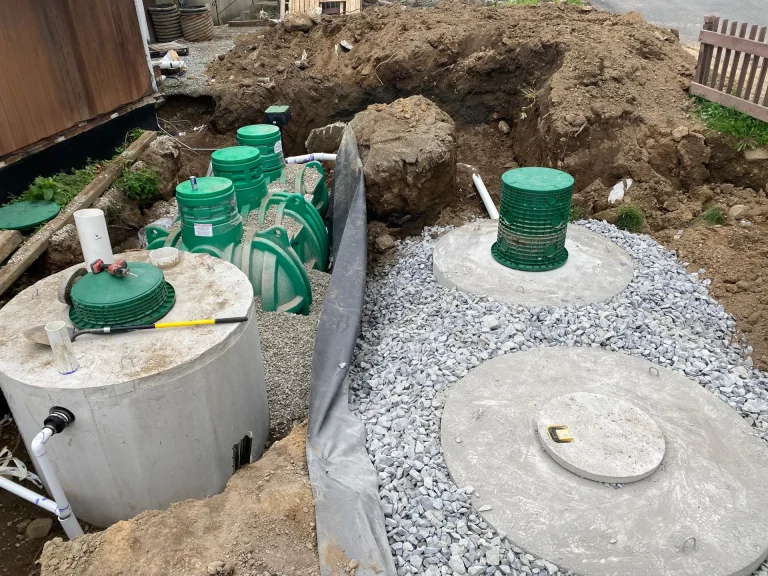
Routine pumping removes accumulated solids, restores working volume, and gives the technician a chance to inspect the tank. Cracks, baffle deterioration, root intrusion, and abnormal water levels often come to light during these visits. That inspection piece is one reason expert septic services matter more than a simple pumping truck alone. A conscientious crew will note whether the tank refills unusually fast, whether the outlet filter is loaded with solids, and whether signs point to trouble in the field or house line.
Still, pumping cannot reverse every issue. If the drain field soil has clogged over many years, if laterals have collapsed, or if the system was poorly designed from the start, an empty tank only buys time. Homeowners sometimes feel disappointed when they pay for pumping and the symptoms return a few weeks later. In most of those cases, pumping did not fail. It https://johnathanxewp219.nexorafield.com/posts/how-to-compare-quotes-for-septic-services revealed that the tank was only one part of a bigger problem.
Root intrusion, crushed lines, and other hidden physical damage
Not every septic issue comes from overuse or poor maintenance. Some come from the landscape itself. Trees and large shrubs are persistent. Their roots seek moisture and nutrients, which makes septic lines attractive targets. Once roots find a joint, crack, or weak seam, they expand and trap solids. Flow slows down. Backups follow.
Vehicle traffic causes a different kind of damage. Driving over the drain field or tank area can compact soil, crush piping, and even damage tank components. Homeowners do this more often than they realize, especially when moving trailers, parking work trucks, or allowing contractors to stage equipment in the yard.
Aging materials create another set of problems. Older steel tanks can corrode. Concrete baffles can deteriorate. Clay or Orangeburg piping in older systems may deform or collapse over time. These failures are underground and easy to miss until symptoms become severe.
Septic services that include inspection technology can pinpoint these issues without unnecessary digging. Camera inspections, probing, tank assessments, and component testing help narrow the repair area. That matters because excavation is one of the costliest parts of septic repair. Accurate diagnosis can mean fixing a damaged segment of pipe rather than disturbing a whole yard based on guesswork.
I once watched a homeowner prepare mentally for full system replacement because the backyard kept sinking slightly near the septic line. The actual issue was a compromised section of pipe between the house and tank. It was not cheap to repair, but it was far less disruptive than replacing the treatment area. Good diagnosis changed the outcome.
Effluent filters and baffles, small parts with outsized importance
Modern septic systems often include an effluent filter at the outlet of the tank. Its job is simple but important: prevent suspended solids from reaching the drain field. These filters protect the field, which is the most expensive component to replace, but they need periodic cleaning.
When a filter clogs, the house may show signs similar to a full tank. Drains slow, toilets hesitate, and wastewater movement becomes erratic. Homeowners are often surprised that a relatively small component can trigger such visible symptoms. They are even more surprised to learn that the drain field may still be healthy.
Baffles deserve the same attention. The inlet baffle helps direct incoming wastewater downward, reducing disturbance of the sludge layer. The outlet baffle helps keep scum and solids from leaving the tank. If those components are missing or damaged, tank performance drops sharply and downstream components become vulnerable.
Expert septic services usually check these parts during maintenance because they know a system can appear functional while silently sending solids where they do not belong. Replacing a failed baffle or cleaning a neglected filter is a much better outcome than trying to restore a compromised drain field later.
The role of water use, habits, and household chemistry
People often ask what “caused” their septic problem, as if there must be one clear event. More often, it is a pattern. Long-term habits shape system health more than a single bad week.
Excess water is one of the biggest stressors. Septic systems are designed around expected daily flow. Leaking toilets, dripping faucets, old washing machines, and back-to-back laundry loads can overwhelm a field that might otherwise perform acceptably. It is not glamorous advice, but simple water management makes a real difference.
What goes down the drain matters too. “Flushable” wipes are notorious for causing blockages and pump problems. Grease contributes to scum buildup. Harsh chemicals can disrupt biological processes in the tank, though the average household cleaner is usually less of a problem than chronic overuse or dumping solvents, paints, and other inappropriate materials.
Septic professionals often end up doing a bit of household consulting because prevention depends on behavior. The best repair is the one a homeowner never has to pay for.
Practices that protect a septic system over time
- Pump the tank on a schedule that matches household size and system use
- Spread laundry across the week instead of running many loads in one day
- Keep vehicles, heavy equipment, and deep-rooted trees away from septic components
- Avoid flushing wipes, grease, hygiene products, and non-biodegradable waste
- Fix leaking toilets and fixtures promptly to reduce constant hydraulic load
This is not about perfection. It is about reducing unnecessary stress on a buried system that has limited tolerance for abuse.
Mechanical failures in pumped or advanced systems
Not all septic systems rely purely on gravity. Many use pumps, floats, alarms, aeration components, or other treatment stages, especially on difficult sites with poor soil, high water tables, or elevation challenges. These systems can perform very well, but they add mechanical points of failure.
When a septic pump fails, wastewater may back up quickly or collect in a pump chamber until an alarm sounds. Float switches can stick. Control panels can lose power. Aerobic systems can underperform if blowers fail or maintenance is skipped. These are not problems most homeowners can diagnose safely on their own.
Qualified septic services handle these systems differently from standard pump-and-go work. They test electrical components, verify dose volumes, inspect floats, and check alarm history where applicable. Mechanical systems reward regular service. Neglect can turn a manageable part replacement into a chain reaction of failures that affect treatment quality and field performance.
If a property has an advanced system, keeping records matters. Model numbers, installation dates, service logs, and permit details can save time during troubleshooting. The more complex the setup, the more important specialized expertise becomes.
Why local knowledge changes the quality of the fix
Septic work is highly local. Soil type, frost depth, rainfall patterns, permitting rules, and common installation practices all vary by region. A technician who understands local clay soils, seasonal groundwater swings, or the way older systems were built in a particular county will usually diagnose faster and recommend more realistic solutions.
For example, a drain field symptom in sandy soil may point to one set of causes, while the same symptom in heavy clay suggests another. A repair strategy that works on a dry lot may fail on a waterfront property with limited separation to groundwater. Even pumping frequency can vary based on home size, occupancy, and local usage patterns.
That is one reason reputable septic services ask so many questions. They are not stalling. They are building the context needed to separate a temporary nuisance from a system-wide issue. Good septic decisions depend on site-specific judgment, not generic advice from a product label or a social media thread.
What homeowners can expect during a professional service visit
A proper septic visit should feel methodical. The technician should ask about symptoms, timing, water use, past service, and any recent changes in the household or yard. They should locate and access the relevant components rather than guessing from the driveway. If pumping is involved, they should note the condition of the contents, inspect accessible components, and explain what they found in plain language.
Not every visit ends with a dramatic repair. Sometimes the outcome is reassuring. The tank gets pumped, the filter gets cleaned, and the homeowner leaves with a better maintenance schedule. In other cases, the technician may recommend additional diagnostics before any major work is approved. That is often a sign of professionalism, not indecision.
Clear communication matters here. A trustworthy provider should be able to explain whether the issue appears to be maintenance-related, mechanical, hydraulic, structural, or field-related. They should also be honest about uncertainty. Septic diagnosis sometimes requires stages, especially when symptoms overlap.
The difference between inconvenience and real risk
A septic problem starts as an inconvenience, then becomes something else. Odor turns into exposure. A soft patch in the yard turns into surfacing wastewater. A slow drain turns into a basement cleanup. Repair costs usually rise on the same curve.
That is why early action matters. Expert septic services do more than respond to emergencies. They protect the most expensive and least visible part of a property’s infrastructure. A well-maintained system can last for decades. A neglected one can shorten its life dramatically, often in ways that cannot be undone with a single service call.
For homeowners, the practical lesson is simple: pay attention to small changes, keep maintenance records, and bring in experienced help before symptoms harden into damage. Septic systems are not glamorous, but when they are handled correctly, they are quiet, durable, and dependable. When they are ignored, they become expensive teachers.
Excavating New Jersey LLC
Address: 406 County Rd 565, Wantage, NJ 07461
Phone number: +19737914284
FAQ About Septic Services
What is the average cost to get a septic tank emptied?
Emptying a septic tank costs between $290 and $560 on average, with most homeowners paying about $420. Prices vary based on tank size.
What is septic service?
Septic service inspects, pumps, cleans, and maintains a septic tank. A septic tank is a large, underground container that collects and treats wastewater from your home. Over time, sludge, scum, and other debris, like hair and solids, can build up in your tank and clog your drain field.
How often should you have a septic tank serviced?
A standard septic tank should be inspected every 1 to 3 years and pumped every 3 to 5 years. However, the exact schedule depends on your tank's capacity, household size, and daily water usage.